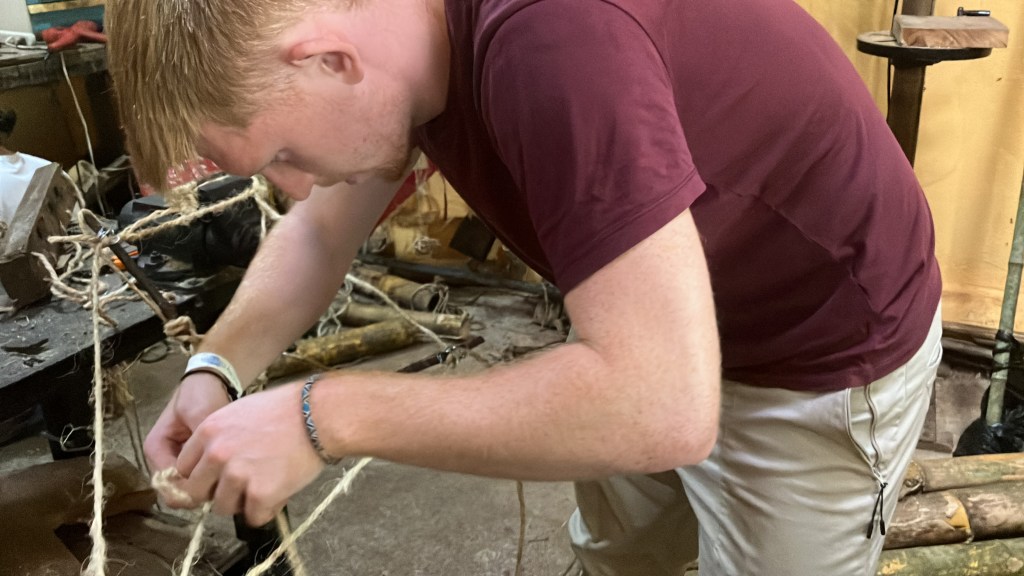
If you don’t know, volunteering is an opportunity to people to experience activities in a chosen field. It is essentially somewhere to learn skills, meet people, experience new things and most importantly, help the organisation with it’s activities.
Over the last 20 years, there has been a large development in volunteering opportunities. Now we have the internet, you can find many opportunities or organisations online who are requiring volunteers in all types of fields. A lot of people use the volunteering method towards their education and gaining vital experience when looking to go into higher education (some education facilities use volunteering as extra credit) or gain the skills ready for a career in the field they are volunteering in. Or some people just want a change, to do something different.
Across the world, there are so many opportunities now. I mean the options are endless… you can find a small donkey farm in Peru, go support marine wildlife off of the coast of Belize, build communities in rural Africa, house sit in east Europe or spend time with monks, or help out in a yoga sanctuary in Thailand.
If you are looking to do some sort of volunteering, I do believe there is a field for you. It’s mostly about finding organisations that align with your goals. To make this easier, there are organisations who will help make this decision for you. They can support you in the process of finding a position, the application process, and even the time you spend out there.
The amount of opportunity is a blessing, but also a bit of a curse… Even when looking for ourselves, we found so many opportunities that we were overwhelmed. When we were searching, we were set on Costa Rica but hadn’t found the right opportunity yet. There was so many to choose from!
It got to the point where we had a few websites including Volunteer world where we had 4/5 opportunities, all with amazing benefits and we didn’t know which to choose. In the end we just decided on booking one of them through ‘process of elimination’, and we can tell you now it’s one of the best decisions we ever made.
Our experience volunteering abroad
Where do we start!!
So I (Jack) booked our volunteering in Costa Rica. It was Aimee’s 21st birthday and we decided there was nothing better than being abroad, and Aimee wanted it to be something that we would never forget…
I had all the pleasure (or pressure…) of booking Costa Rica and organising the whole trip (If you want to see how I organised it, I may do a whole section of the planned itinerary, how I planned it and what we decided to do!). So for the volunteering part, we had a week free to do volunteering, and as someone who has a large interest in animal conservation, there was only 1 real option for us to do! I mean this really worked with Aimee’s favourite animal being the Sloth so I made sure we could see Sloth’s there as that was the number 1 priority!
We also had to take into consideration the price it would cost for the activity, and what we got in return. This is a huge factor when making the decision as each organisation offer different incentives when volunteering.
As I got to work, I first decided to look for companies that provided the best opportunities for volunteering on the island. During this research, I found a few including Volunteering World, Volunteer HQ, World Packers and more! I would look through these websites and see what type of volunteering opportunities there was!
My main criteria was to look for roles where the organisation is animal-friendly and ethical. It’s important for the organisation to look after the animal, and to have programme’s to support the wildlife through releasing them back into the wild and giving rehabilitation.
As I mentioned, there are a few opportunities in Costa rica that offered this, so I decided to choose one where would could get involved with learning more about the animals and the role having a good variation of responsibility!
We also had to take into consideration the location of the organisation so it aligned with the itinerary we had planned outside the volunteering. We had plans to visit the west side of the country so it was important to find the right location as we only had 16 days planned in Costa Rica!
If you don’t know already, Costa Rica is mainly luscious, green forest which is so rich in wildlife. Therefore, there are so many opportunities to help with Animal conservation. We looked at re-wilding programs, short stay farms which looked after farm animals and stray dogs, and marine animals (mainly turtles, as baby turtle releasing is a huge importance in Costa Rica)!
To be the most efficient, we decided on staying somewhat local to the main capital city, San Jose, which limited any additional travel and kept us close to the activities once we had completed the volunteering.
We mainly found the best and most affordable opportunities on Volunteerworld, which we would recommend to use when looking for any volunteering worldwide.
I managed to narrow it down to 3/5 organisations and finally did some last research on how they operate and what animals they had, and came to the decision on Rescate. Rescate is one of the biggest organisations in the country and world alongside the government to protect wildlife areas and protected species from and poaching or endangerment. You can find a more in-depth recount of our experience of Rescate here.
At the time (December 2022), Rescate cost £450 a week per person which included 5 days of weekly activities – which was roughly 5-6 hours a day, teaching and learning opportunities, accommodation, breakfast, lunch & dinner. For us, it was a steal and it really didn’t disappoint.
Let’s just say that it’s our favourite experience ever and one we are excited to come back to one day. We loved every second of it and made amazing memories, met some lifelong friends, and learned a lot about what this amazing organisation does for animals across Costa Rica. To learn more on our experience, visit our blog here to see more!!
Choosing the right opportunity for you is probably the most important thing for you. it shapes your whole experience, and we are so grateful for what we did and would 100% recommend the same!
So.. what’s the difference between paid and unpaid volunteering, what does it include and what’s best for me? All these are understandable questions and ones you need to answer when making an informed decision on what’s best for you.
Cost of volunteering abroad?
The cost is probably the second most important filter when looking to volunteer, only beaten by what the actual field or opportunity is.
Nonetheless it is such an imperative factor to consider, and will have a large impact on which opportunity you decide. The cost really does vary.. from free to thousands for a week- the cost really can vary!
Even though we are all looking for the best price for volunteering, it’s important to note that this may affect the experience you will get from it. If you are looking for a cheap/free volunteering, then you can’t expect to have a similar experience to one that’ll cost thousands.
It is best to have a budget of what you can afford and timeframe of how long you want to do it for before looking into opportunities. If your budget is £500 per week and you are looking to go for 1 month. There’s no point looking at opportunities that cost £1,000 a month and have a minimum duration of 3 months.
For paid activities you need to compare what you are getting for the cost. It’s likely you have a sector of volunteering that you are looking at, so it’s best to compare different websites and different organisations. It’s important to note that some comparison websites don’t always offer the same volunteering opportunities that others do, so it’s always best to compare the websites first!
Individual organisations would typically offer volunteering opportunities on their own website, but these tend to be larger organisations who offer premium volunteering opportunities, and have a larger following. These will be ran by professionals who will have set itineraries for the projects at hand. The opportunities are likely to provide a more hands on approach to the sector you volunteer in, and will likely be for longer periods.
We would look at the reasons of why you are looking to volunteer.. if you are looking to develop your career in a specific field then it makes sense to invest into more. But if you want to experience something new, and just want to experience new cultures and meet new people, it doesn’t matter too much on the project as long as it has the basics.
The prices for these, when compared to other types of projects, might seem extortionate but are more tailored to people who are looking to develop their already learned skills in this area for employment or educational purposes. This is not to say that you cannot get involved in these projects if you aren’t looking at this sector for a career.
What do I get from the opportunity?
Each organisation and project will offer something different. There are so many different aspects of volunteering that every experience would be different. Whether it’s the activities, location, people, learning opportunities, or food!
To find the most suitable opportunity for you, you really need to figure out what you want to gain from it. As mentioned above, there is so many different opportunities, so it’s imperative to narrow your search to what is important to you. It could be good facilities, good location, the social opportunities, what you can learn- it could be a mixture of a few of these.
Knowing this will help to hone in the types of projects that would best fit what you are looking for. After all, you want to get the most out of it, as you are committing a lot of time, energy and potentially money for this.
When researching, it can be quite difficult to find free opportunities. They aren’t as easy to locate and often covered by the thousands of paid volunteering opportunities online. However, there are a few ways to contact organisations or find filters for only free volunteering roles so you can see the opportunities you have.
I would recommend to keep your expectations low. Not because the opportunities aren’t amazing, because some of them aren’t really worth it. You have to remember that these opportunities are free and anything that is provided (accommodation, food, activities) will cost the organisation time, money, and resources. This is important to consider as organisations are less likely to offer many volunteering add-ons when it’s free. If parts of the experience is included, like accommodation, it’s unlikely to be high quality, more so the standard basic amenities.
For people who haven’t volunteered before, we would recommend to stay somewhere you are comfortable. If you haven’t stayed in hostels or aren’t well travelled, we wouldn’t recommend trying something too far outside your comfort zone- like volunteering in the mountains of Kenya living in little huts. Who knows, you may thrive in this environment, but it’s a world away from what you are used to.
Each free volunteering opportunity is different. Some may offer some food and accommodation included, but some may require you to stay at local homestays to volunteer. In our research, there seems to be a larger dispersion in benefits for unpaid opportunities.
Paid volunteering is slightly different. As we have researched the opportunities in the animal conservation sector, it is best suited for us to use this as an example. We have researched into companies such as Blue Venture who we have followed for quite a few years now. Initially, they only had 3 locations (Belize, Madagascar & Timor-Leste) but have now expanded to many locations across the globe.
At first glance, rates are a lot higher than most opportunities in the same field. However, they offer a premium service allowing volunteers to support on research-based projects which other smaller organisations may not provide. For someone who is looking to become a marine biologist, or wants to study/build a career in a similar field, this is perfect and can be vital experience moving forward. However, for people who just want to learn new skills, and venture outside their comfort zone, this may not be the opportunity for you.
The days will be set in a specific format and more likely be flexible for what you are interested in. You will also be given more opportunity and responsibility.
This is why they are such a good fit for students, if you are looking to study coral reefs, you can find a marine conservation opportunity with a company which would help develop your understanding further and help gain imperative knowledge in that field. Not only this, but it’s a good start to building relations with people who are in a field of interest for you moving forward. Who knows, you may do 3 months worth of volunteering and get offered a role to stay out there. It’s not unheard of!
There are a lot of opportunities that are almost in between the two opportunities we have detailed above. Somewhere between the premium volunteering and free volunteering, sits small to medium organisations that usually offer a few benefits including accomodation, activities and sometimes food in return of roughly £200 to £1,000 a week.
This normally comes with more amenities than what the unpaid volunteering does, but doesn’t offer the premium learning resources and developments that more expensive opportunities provide.
Just like our volunteering in Costa Rica, you are given basic but affective benefits like a dorm room, shared washing and kitchen facilities etc. The costs of the volunteering is used for the up keep of these amenities so that the organisation isn’t monetarily affected by its volunteering program.
From our experience of participating in and researching activities for these types of projects, you are given a varied option for responsibility and learning opportunity.
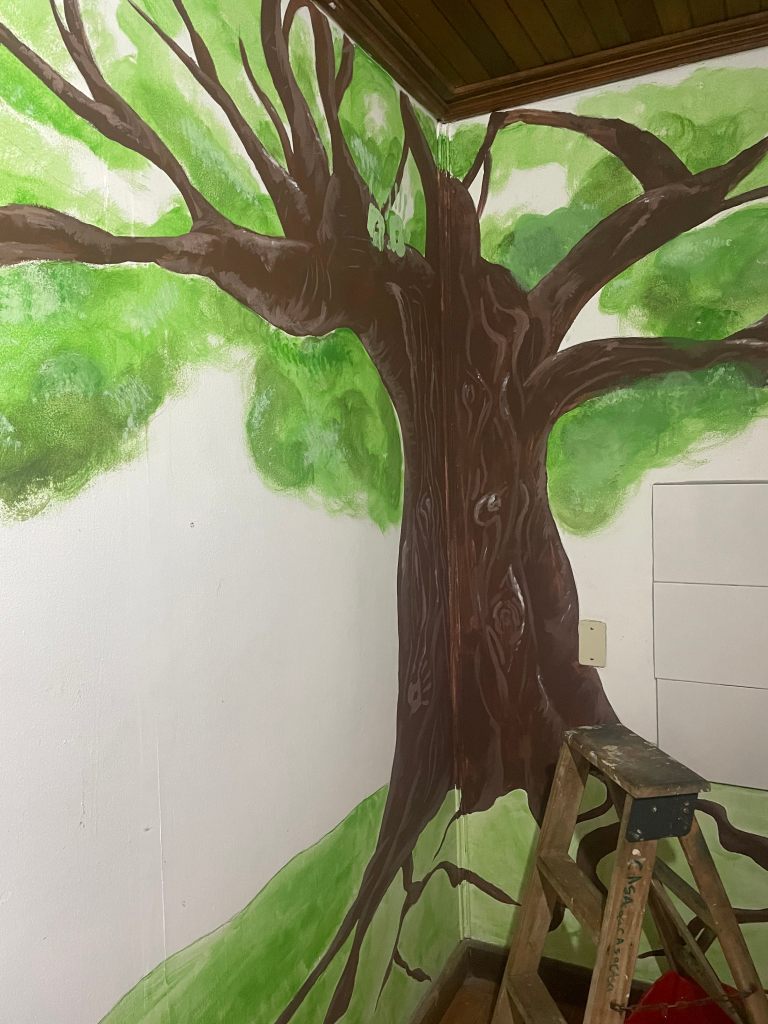
When we volunteered, we were able to speak with the project leaders and inform them of the activities we enjoyed most, and they would structure the week based on this. For Jack, he enjoyed monitoring animal behaviours and spending time building enrichment for the animals. Aimee on the other hand preferred something a lot more creative, and therefore helping towards photography, and painted a mural within the volunteering accommodation! This really helped us hone in our skills and preferences when volunteering to get the most enjoyment and learning from the experience.
Location
Location is important to consider.. regardless of if you know where you want to go or not.
Some people know the exact location they want to go and it’s non negotiable. For some people they will have already booked their trip and/or currently travelling and will be in this location, or maybe it’s a bucket list place they want to visit. Other people maybe open to see what’s available!
Whatever your reason for the location that you are looking to choose, the options and availability will be reflected. In some places, you may be limited to what opportunities are available. For instance, if you have decided Thailand is the country you want to do volunteering in, then you are more likely to be required to pay for the experience. As not many experiences in the country are free (especially if you are looking for a specific type of volunteering)!
Being more flexible for location will create for more options for organisations to work with. Who knows, you might be set on a location but find the perfect opportunity in a different location. Therefore, it’s always good to keep your options open and assess what’s available to you. It’s likely that the perfect location with the perfect opportunity doesn’t exist… so be flexible!
There are places that are more expensive than others. For instance volunteering in cities is likely to be more expensive than rural areas, and it can be the same for expensive countries versus poor countries. I mean everyone would love to do the world famous elephants in Thailand, or release baby turtles in the Caribbean sea, and don’t forget the big 5 in Africa! But there will be less demand for alpacas in the mountains of Argentina, or the dogs in east Europe. Yes the opportunity is very different and may not meet what you are looking to gain from the experience, but you need to find a good balance if you don’t have a large budget- or any budget for that matter!
We would recommend to always keep some flexibility, regardless of what your budget is. Even if you are set on one country, it’s best to have flexibility to where in the country as what you are looking for may not be possible. You might then decide to split your experience into two trips, or design it in other ways. If you want to visit the gold coast in Australia, and want to do whale conservation for a 1 month duration. You may be required to do 2 weeks in Indonesia for the whale conservation and take a trip down to the Gold coast for the remaining 2 weeks.
If you are set on a location and activity, it’s likely that it will be paid volunteering so be prepared. You are only limited to that area so try to be open with the different types of volunteering in the area as no all types of volunteering is in each country.
However, if you are flexible, we would always recommend to look at free or cheaper volunteering opportunities as there are so many to choose from and have so many cool benefits!!
Beyond just research on comparison websites, there are other ways of looking for volunteering opportunities – we think this is something that deserves a blog on it’s own.
Conclusion
We think that both paid and free conservation has amazing opportunities in their own right! It all really depends on your budget and preferences. Budget can always limit your options but even if you have a budget, we would always look at some of the lower cost opportunities as they can offer a more tailored experience to you than more expensive ones.
You really need to decide what you are looking to get from the experience, and work out what the industry standard is. Like we say, some experiences are more expensive than others. However, there are always budget options so keep your eyes peeled for so good offers and cool projects that will definitely change your perspective.
If you are looking to develop yourself- such as gaining expert knowledge for education, career or just to develop your skills, then the better opportunities will likely be the larger companies/more expensive projects. This isn’t always the case, but the majority will be. We would focus on companies that offer bespoke volunteering towards whatever the main drive for you is. If you are looking to be a biologist, we would focus on finding organisations that will offer developments and learning to help enhance your experience, to get the most out of the project. If you are a good volunteer, they might give you more responsibility, and who knows, it could be a place return to!
No matter which you choose, we would both majorly recommend divulging in volunteering as a way to experience the world, you will learn a lot about the place you go, the work you do, and it will develop your skills and understanding so much in such a short time. We have only experienced one so far but we are definitely going to explore more opportunities and join more volunteering opportunities in the future.
If you enjoyed this blog post, be sure to subscribe, like the post and let us know what your plans are for volunteering in the future. Also, if you do have any questions, do let us know and we would be happy to show our insights!
We are planning on posting most days and will giving our tips and tricks on how to travel well, on a budget, and get the most out of your experience!
Also, follow our Social Media’s below to keep up to date with our travels!
Like this post? Share it with friends to plan your next trip!

 Our Two Step Start
Leave a comment